-
NexTArc

Context NexTArc aims at helping create sustainable and smart living and working environments across Europe. In short, the project is based on three main premises: Goals Thus, the NexTArc project has identified four main goals: The project The NexTArc project aims to address facility management, energy demand and supply, logistic fleet management, and energy exchange,…
-
Leveraging road safety analytics to accelerate Vision Zero goals

How can authorities and road safety practitioners identify potentially unsafe urban locations before accidents actually happen? Relying on historical crash databases alone leaves municipal teams trapped in a reactive loop. To address this challenge, a groundbreaking data-driven approach has been introduced, combining big data and artificial intelligence to shift urban safety from a reactive practice…
-
InCharge
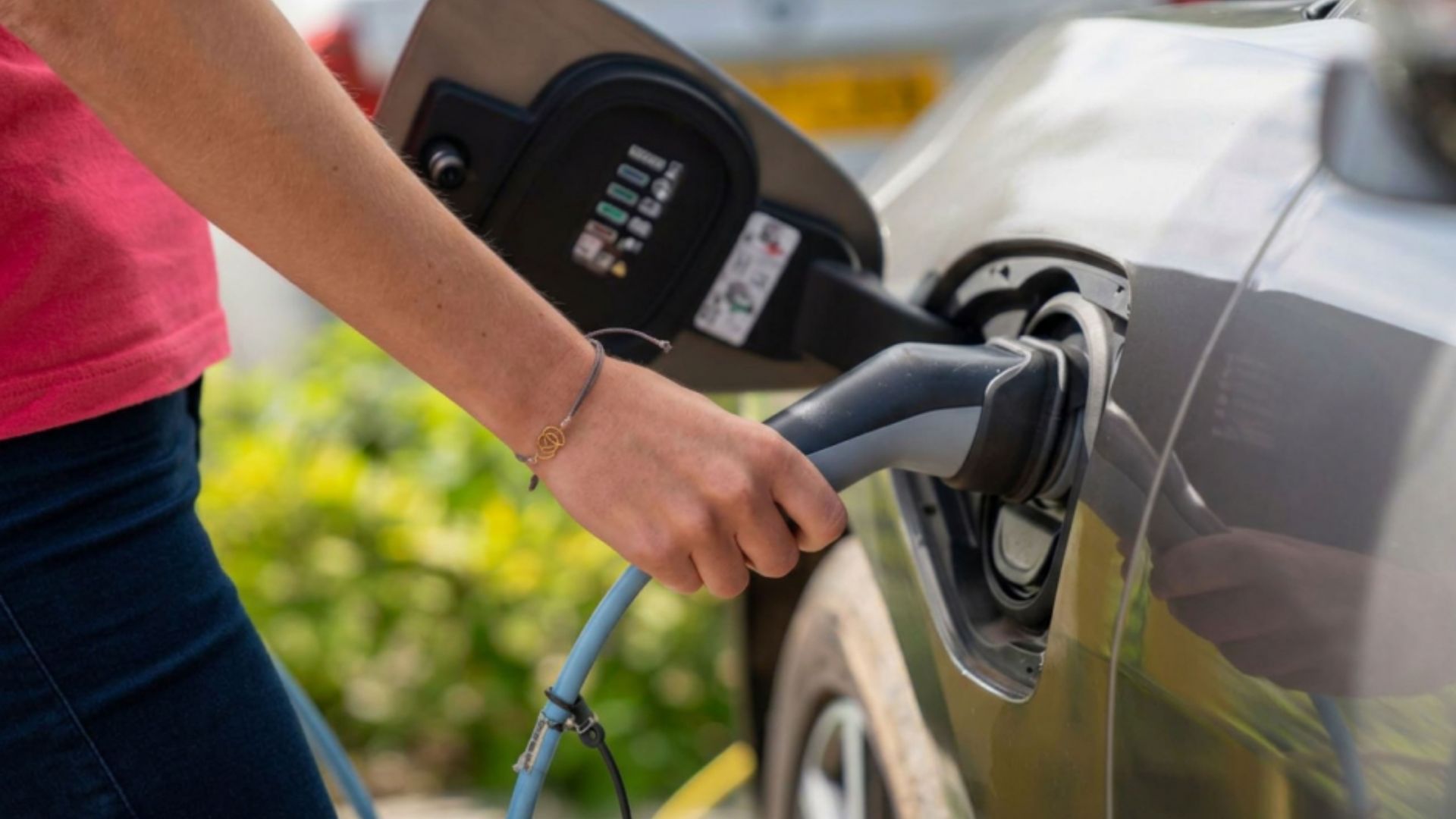
Context Cities and electric vehicle (EV) charging providers face major challenges in planning infrastructure that effectively aligns with real-world mobility demand. Planning decisions are frequently based on limited data, leading to underutilised assets and sluggish electric mobility adoption. Inspired by the urgent need to support the transition to clean urban mobility under the EU Green…
-
What proportion of urban journeys are made by public transport? Estimating modal share using mobile network and ticketing data

The challenge of evolving mobility demand Public transport demand is changing rapidly, driven by new and shifting working patterns and consumer behaviour. As travel habits continue to evolve, existing public transport provision does not always keep pace. According to the latest Mobility Institute barometer, almost one in five respondents in Madrid and Barcelona cite poor…
-
How does football affect cities? Mobility analysis during the Mexican ‘Clásico Joven’ football match

Briefing In recent years, Mexico City (CDMX) has established itself as a global capital of entertainment. From Broadway productions and international tours such as the Eras Tour, to top-tier sporting events like Formula 1, the metropolis consistently hosts mass events. While this boom generates significant economic benefits, it also presents considerable challenges on the quality…
-
Analysing public transport in the Community of Madrid through data from intelligent payment systems

Briefing One of the most interesting data sources for characterising the use of public transport services are intelligent payment systems. From an operational standpoint, these systems offer several advantages over traditional billing and control methods: for instance, they facilitate and expedite vehicle access, and enable fare integration within a multimodal public transport system. From a…
-
USEPE
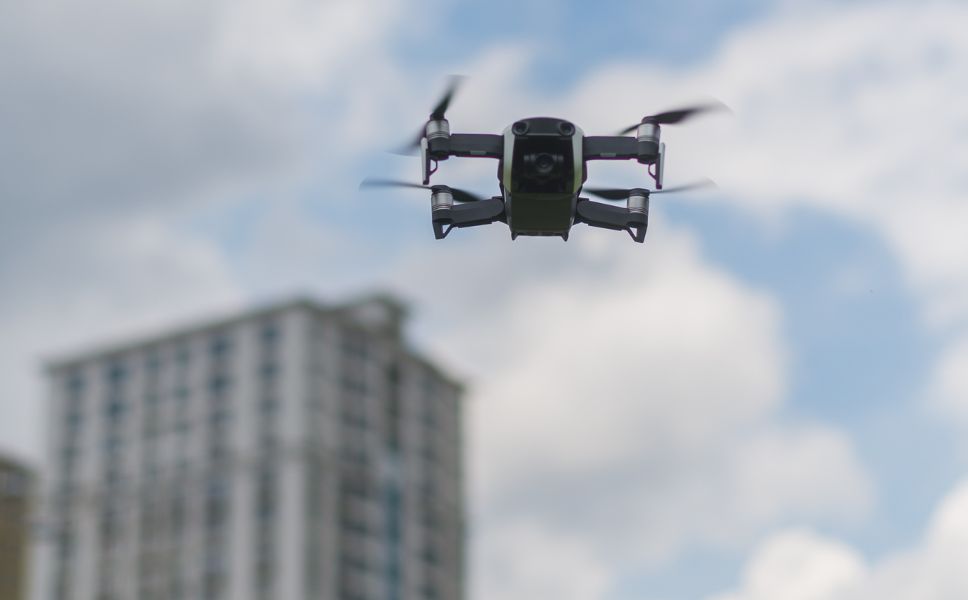
Context The U-space concept was the response of the Warsaw Declaration in 2016, which sought to harness the potential of drones for creating jobs and new business opportunities. The U-space Blueprint, published by the SESAR Joint Undertaking in 2017, defines U-space as “a set of new services and specific procedures designed to support safe, efficient…
-
POLDER

Context Every time we carry out an activity through the use of information and communication technology (ICT), we generate a digital footprint. This interaction between users and ICTs gives rise to an unprecedented number of digital records, thus creating new opportunities for studying human behaviour. Recent advances in the storing and processing of large volumes…
-
WalkFlow

The WalkFlow project The project WalkFlow, funded by EIT Urban Mobility, aims to develop a tool for monitoring and predicting pedestrian flows by leveraging mobile location data and demonstrate its capabilities by analysing walking flows in the city centre of Braga, in Portugal. The tool primarily uses anonymised mobile network data and location data from…
-
Monitoring travel demand in Bogotá and Buenos Aires during the pandemic

Briefing Public transport is often considered as the backbone of sustainable urban mobility. The impact of the COVID-19 crisis on public transport demand, driven by social distance measures and perceived contagion risk, has been a major challenge for transport authorities and operators. Latin American cities are not an exception: while demand decreased by 60-90% in…