- Next Generation Open Innovations in Trustworhty Embedded AI Architectures for Smart Cities, Mobility and Logistics
- Consortium: Malardalens universitet, Sweco, Swegreen, Stream Analyse Sweeden, Nordic Engineering Partner, Sally R, NXP semiconductors Austria, Silicon Austria Labs, Institut Mikroelektronikych aplikaci, Univerzita Karlova, Vysoke uceni technicke v brne, AI4SEC, Tallinna Tehnikaulikool, Giesecke+Devrient Mobile Security Germany, Fraunhofer Gesellschaft zur Forderung der angewandten Forschung, Redimi, Sysgo, Pumacy technologies AG, Eurotech SPA, Universita degli studi di Parma, AITEK SpA, Universita degli studi di Modena e Reggio Emilia, Societa Emiliana Trasporti Autofiloviari, Sorama, Stichting IMEC Nederland, Vinotion, HI Iberia Igeniería y proyectos, Universidad Politécnica de Madrid, CSIC, Nommon, Bitnet Bilisim Hizmetleri, Otokar, Erarge, Ergtech, ZHAW, Clemap, Iotec, Planzer
- 2025-2028
- https://nextarc.eu/
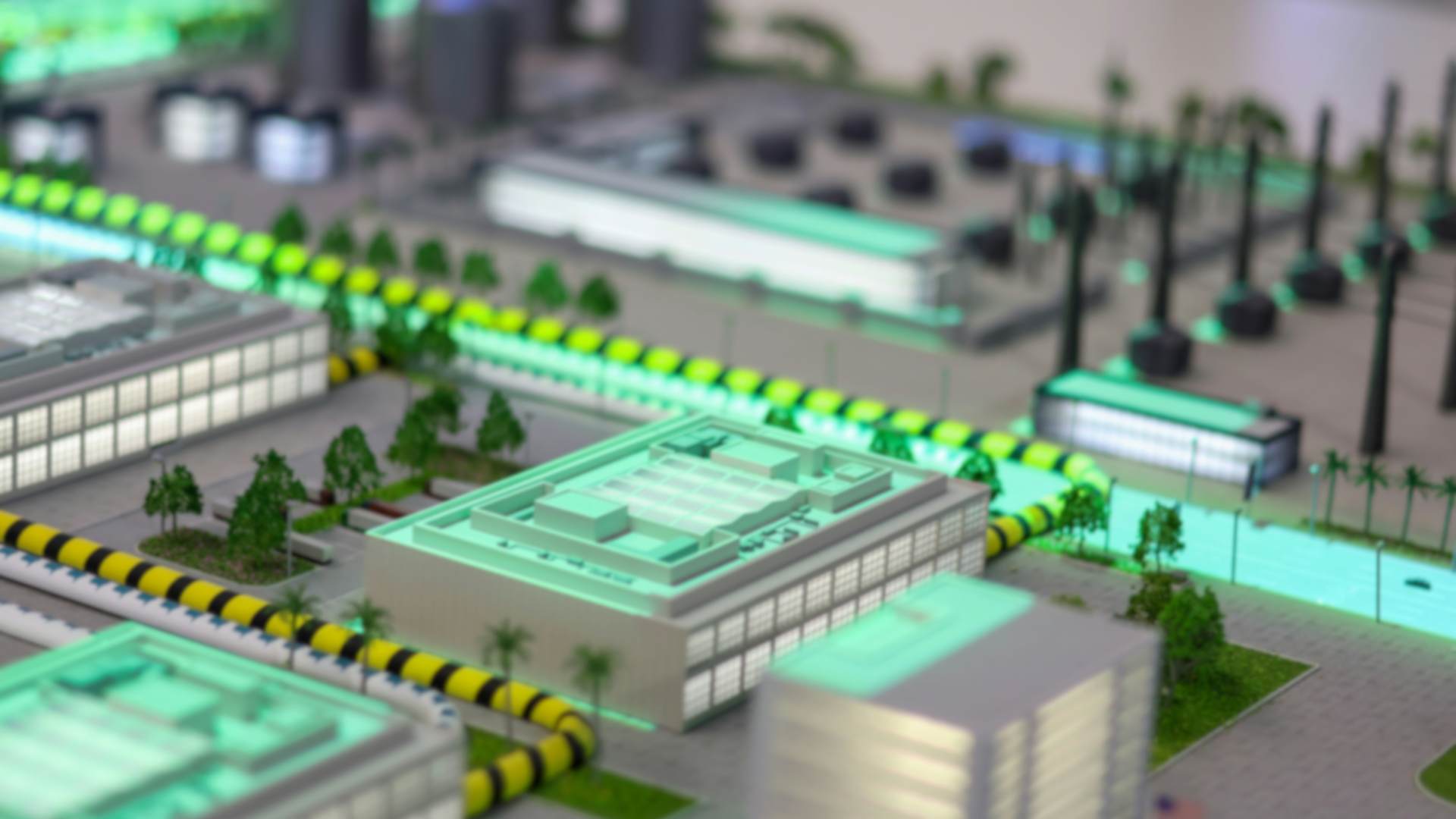
The NexTArc project focuses on the integration of AI-smart explainable Edge technologies applied to sustainable living, sustainable transportation, and sustainable industrial production, thus increasing data transmission, reducing energy use, increasing connectivity and fortifying cybersecurity.
Context
NexTArc aims at helping create sustainable and smart living and working environments across Europe. In short, the project is based on three main premises:
- Citizens believe that societies should transition towards more sustainable, smart, and resilient cities and working environments.
- The mobility of people and goods, both in urban and industrial spaces, should transition to more sustainable practices.
- The two key societal changes outlined above have yet to be addressed in a holistic manner, integrating data from different sources such as devices, vehicles, systems, and people.
Goals
Thus, the NexTArc project has identified four main goals:
- To improve transparency about the location, availability, demand, and supply of raw materials, semi-finished, and finished products in industrial environments to increase resilience in local supply chains, and security of supply for the respective urban environments and their population.
- To optimise fleet compositions and routes for freight transport between and within industrial environments and urban regions, including energy demand for the respective delivery routes and cooling demand of the products.
- To optimise multimodal mobility solutions for people in urban areas and between urban and industrial areas to reduce traffic, increase environmental sustainability, and further develop inclusive people’s mobility.
- To identify measures to increase the wellbeing of the population within urban areas and industrial working areas; and integrate them with the dimensions provided in objectives 1 to 3 to achieve the needed systemic changes in a trustworthy manner.
The project
The NexTArc project aims to address facility management, energy demand and supply, logistic fleet management, and energy exchange, among others, to facilitate the transition to NetZero cities through the use of AI-smart Edge technologies and the management of interconnected data. The developed solutions are intended to be implemented in urban living areas, commercial centres and decentralised industrial areas. To reach these goals, new chips have to be integrated in existing devices and new data sources have to be managed. The project proposes a holistic chip/device/vehicle and system/network level interaction.
To this end, the consortium has identified three main use cases:
- Use case 1: Smart, sustainable and livable neighbourhood. This use case aims at showing how interconnected services can be integrated in a multipurpose Digital Twin for the support of optimisation and decision making. Some examples of application are multi-dimensional service and resource planning and distributed farming solutions
- Use case 2: Smart, sustainable and transparent industrial spaces (STI). This use case focuses on improving logistics and good handling in factories, improving the traceability of materials, inventory management and enhancing trustworthy interaction and communication. LLM-based inventory management along with other trustworthy resilience systems and architectures will be developed during the project.
- Use case 3: Trustworthy and eco-friendly multimodal connectivity of urban and industrial spaces through people and goods transportation. This use case aims to transform people and freight mobility, increasing liveability in urban areas and higher environmental and economic sustainability. This use case will explore enhanced vehicle awareness solutions as well as intelligent fleet management and distribution solutions.
Nommon’s role
Nommon takes part in the third use case of the NexTArc project, “Trustworthy and eco-friendly multimodal connectivity of urban and industrial spaces through people and goods transportation”, via the development of explainable-AI edge solutions for greater autonomous vehicle awareness and the development of a multi-agent system for the operation of AV fleets and their integration into smart cities landscapes.

NexTArc is a project funded by Chips JU via the HORIZON JU Research and Innovation Actions.